

Mic Preamps
Your sound, loud and clear
Find the best mic preamp for you
-
ISA
The ISA range was born out of the original Focusrite Forte console of the late 80's. The core modules from these consoles live on with Focusrite's current range of ISA products, which have become the choice of the world's finest producers and engineers.Shop now -
Clarett+ OctoPre
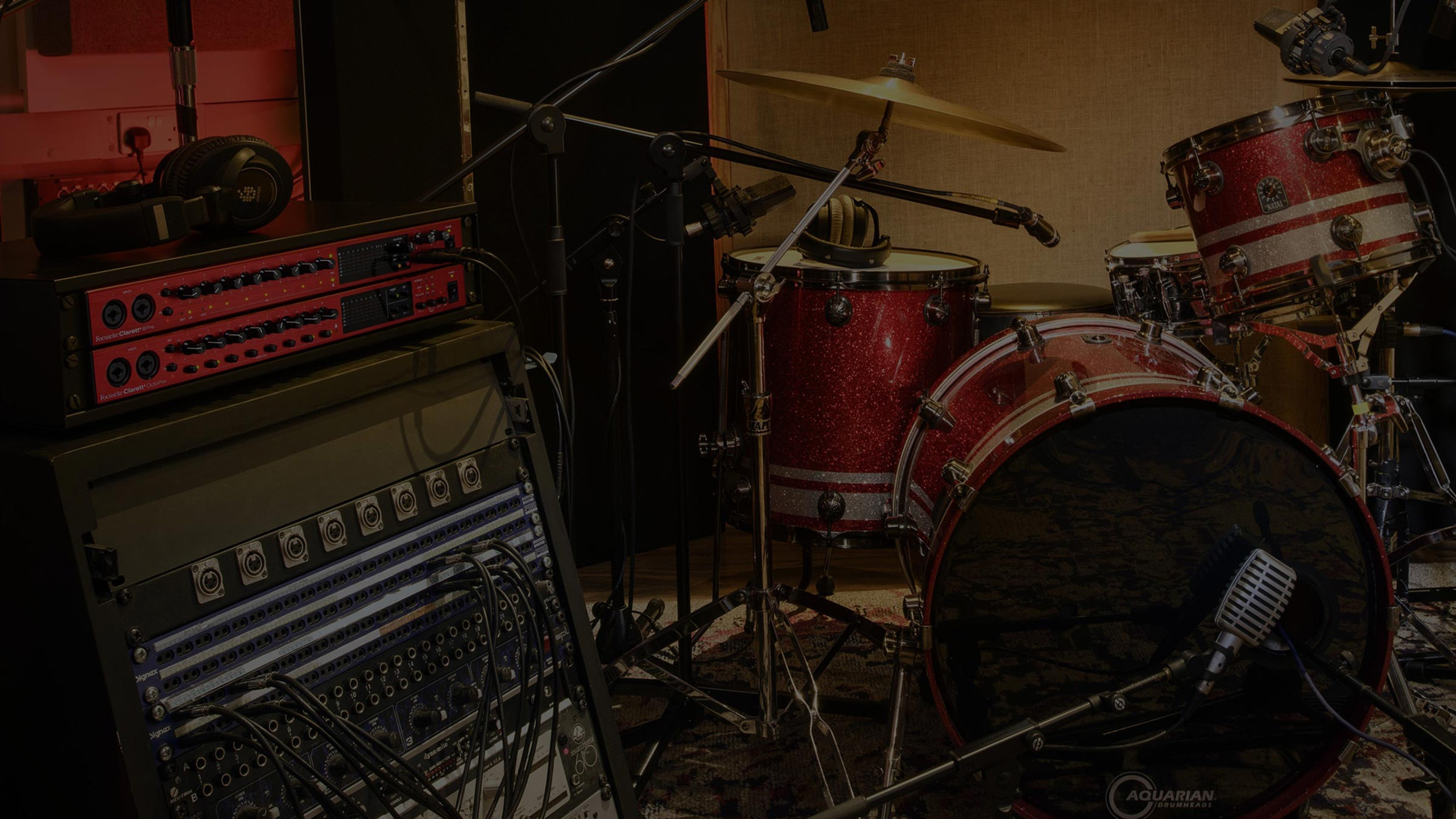
Clarett+ OctoPre is the eight-channel ADAT preamp designed to bring pure analogue sound to your studio. The eight Clarett preamps have been meticulously engineered to bring authentic large-format studio sound to any ADAT enabled interface.Shop now -
Scarlett OctoPre
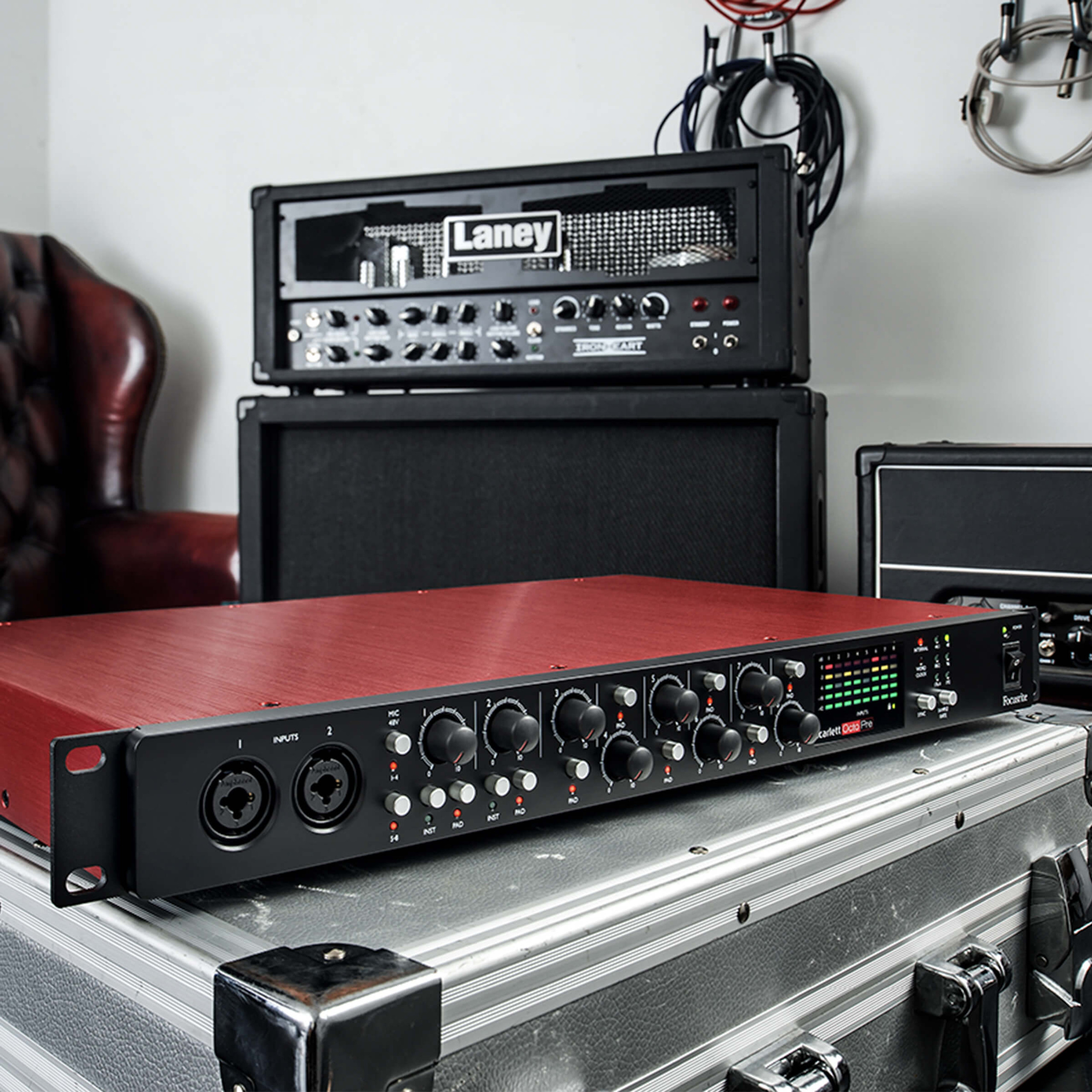
Scarlett OctoPre is the ideal 8-channel expansion for any Scarlett — or other digital interface with ADAT inputs. ADAT is a simple and easy way of increasing the number of simultaneous recording channels available in your studio.Shop now -
Scarlett OctoPre Dynamic
Scarlett Octopre Dynamic builds on the features of Scarlett OctoPre, adding analogue compression to all input channels and eight channels of precision D-A conversion.Shop now



Explore how artists and recording engineers use Focusrite mic preamps
-
Steph Marziano
We joined Grammy-nominated songwriter and record producer Steph Marziano (Hayley Williams, Sir Chloe, Vundabar) in her studio to talk about creative processes and ISA's place in the studio.
Learn more -
Nick Mac
Renowned recording engineer Nick Mac (Post Malone, The Kid Laroi, Machine Gun Kelly) elevates his recording setup by expanding his Focusrite arsenal.
Learn more -
Rob Burrell
We invited recording engineer and mixer Rob Burrell (Carrie Underwood, Little Big Town, Martina McBride) to record duo Lance and Lea through ISA mic preamps.
Learn more -
Christian Olde Wolbers
Bassist, vocalist, composer, and producer Christian Olde Wolbers builds a complete Focusrite ecosystem with the ISA One Mic Pre, Scarlett 18i20 and Scarlett OctoPre.
Learn more -
Francine Perry
We met producer, mixer, and recording engineer Francine Perry at Studio Mute to hear how Clarett+ OctoPre is the perfect solution for her needs.
Learn more


Frequently asked questions
Why choose Focusrite?
-

Free delivery and free returns
Delivery on qualifying orders is completely free, worldwide*. But if one of our products isn't for you we have you covered, returns are always free.
*Regional exclusions apply.
-

Award-winning customer support
If you need help at any point you can reach out to our award-winning global support team. We work 24 hours a day, 7 days a week, 365 days a year, so you can too – if you want.
-

Three-year warranty
Millions of music makers rely on Focusrite hardware every day to keep the inspiration flowing. Built to the highest standards for ultra-reliable performance, every Focusrite interface comes with the peace of mind of a three-year warranty.
-

Certified refurbished
Get an amazing bit of kit at a substantial discount. All our certified refurbished products are fully functional, include all bundled software, manuals and cables, and have a full three-year warranty.
-

Manage your account and products
View your past orders, access your bundled software, manage your account, and see all your registered products in one place.
-

Authentic Focusrite products
Be sure you’re buying a genuine Focusrite product by buying direct from us, or one of our authorized dealers.
-

Studio Trade-In
Thinking about upgrading your studio set-up? Exchange your eligible Focusrite equipment, no matter the condition, and save 25% on our latest gear.